AC replacement in San Diego, CA
Help deciding whether to repair or replace an aging air conditioner, then a properly sized installation and a tested system. Bob Jenson has been keeping San Diego cool since 1977.
Call 619-202-5726
Schedule ServiceSigns you need an AC replacement
A cooling problem does not always mean you need a new system, since some repairs fix weak cooling or a unit that will not start. ENERGY STAR suggests considering replacement when an air conditioner is more than 10 years old, needs frequent repairs while energy bills climb, or leaves some rooms too hot.
The California Contractors State License Board also suggests having equipment more than 10 years old evaluated, and hiring a licensed contractor who pulls a permit for the replacement.
Signs to watch for
- The air conditioner is more than 10 years old
- Repairs are frequent and energy bills keep rising
- Some rooms stay too hot, or the home feels humid
- Squealing, grinding or banging noises from the unit
Before you decide
- Ask what the repair fixes and how old the rest of the system is
- Ask for a load calculation before choosing a size
- Ask whether a heat pump would suit your home
Important considerations before your AC installation
- Proper sizing
- A unit that is too small runs constantly. One that is too large cycles on and off, wasting energy. Sizing should come from a load calculation such as ACCA Manual J.
- SEER2 rating
- Higher SEER2 ratings mean the system turns electricity into cooling more efficiently.
- Ducts and airflow
- DOE recommends sealing duct leaks and verifying airflow when a new system goes in.
- Refrigerant charge
- The installer should confirm the refrigerant charge matches the manufacturer's specification.
- Heat pump option
- A heat pump can provide both cooling and heating from one outdoor unit.
- Budget and financing
- Set a budget early and ask about financing before you choose equipment.
Sizing, duct and refrigerant guidance from the DOE Energy Saver central air conditioning page.
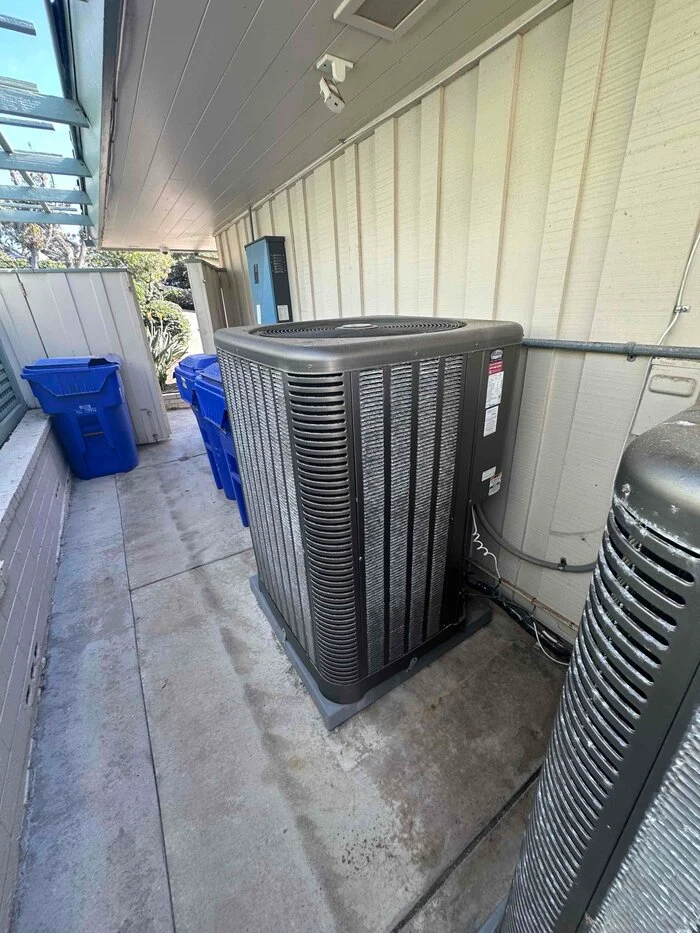
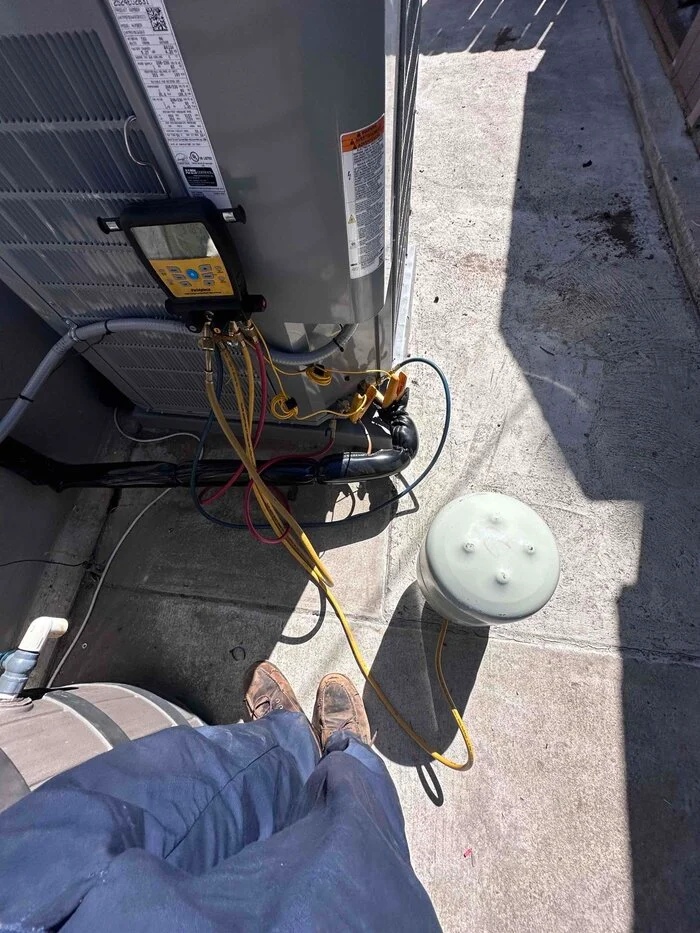
Our AC replacement process
We start by evaluating your current equipment, ductwork and home layout, and explain the installation steps so you know what to expect.
What to expect on installation day
- Site preparation, with drop cloths and shoe covers to protect floors and furniture.
- Removal of the old equipment for proper disposal and recycling.
- Installation of the new indoor and outdoor components, with electrical and refrigerant lines secured.
- System testing to confirm the system cycles correctly and airflow reaches the house.
- A walk-through of your thermostat and tips to keep the new system running well.
California rules to know
- The California Energy Commission requires field verification and diagnostic testing for most HVAC alterations, completed by a certified rater.
- A permit and a final inspection apply to a replacement. Ask your contractor to confirm both.
- CSLB notes a down payment on a home improvement contract can be no more than 10% of the price or $1,000, whichever is less.
- EPA does not require homeowners to replace a working system that uses R-22 refrigerant.
Permit and verification rules from the California Energy Commission and CSLB.

Request an AC replacement estimate
Tell us how old your air conditioner is, what problems you have noticed and whether you are also thinking about a heat pump. To talk with the team, call 619-202-5726.
- Step 1Send the form, or choose Schedule Service to pick the type of service online.
- Step 2The team follows up to discuss availability and any visit charge.
- Step 3At the visit, ask about sizing, SEER2 ratings and repair or replacement options.
Sending a request is not a confirmed appointment. Ask the team about availability and any assessment charges before you confirm a visit. This form is not for emergencies.
All fields below are required.
What our customers say
He was honest in giving the pros and cons of repairing an older AC unit or replacing it with a new one. He was very thorough in explaining why our unit stopped cooling, took pictures of the various components which made it easier for us to understand why it stopped functioning
AC replacement questions
Should I repair or replace my air conditioner?
If your system is relatively new and the issue is minor, a repair may be enough. If the unit is more than 10 years old, needs frequent repairs or struggles to keep the home comfortable, ENERGY STAR suggests replacement may be the better choice.
How do I know what size air conditioner I need?
Size should come from a load calculation, not the size of the old unit. The Department of Energy recommends contractors use ACCA Manual J to size the system, Manual S to select equipment and Manual D to design ducts.
What does SEER2 mean?
SEER2 is the efficiency rating for central air conditioners and heat pumps. A higher rating means the system uses less electricity to deliver the same cooling.
Do I need a permit to replace my air conditioner in California?
Yes. The CSLB advises getting a permit and a final inspection, and the California Energy Commission requires field verification and diagnostic testing for most HVAC alterations.
Do I have to replace a system that uses R-22 refrigerant?
No. EPA does not require homeowners to replace working R-22 equipment. Repairs that need more R-22 can be costly because new supply has ended, which is one factor to weigh when deciding.
What happens on installation day?
The team protects your floors, removes the old equipment, installs the new indoor and outdoor components, tests the system and shows you how to use the thermostat.